Essential Egypt Travel Guide for First-Time Visitors
Discover everything you need for your first trip to Egypt, from visa requirements and currency exchange to packing essentials and cultural etiquette. Egypt travel guide for must-see attractions, and how guided tours can enhance your experience while ensuring a stress-fr'ee adventure.
TourQuest
5/12/20269 min read
Visa and Entry Requirements
Before embarking on your journey to Egypt, it is crucial to understand the visa and entry requirements that govern travel to this historically rich country. Depending on your nationality, you may be required to obtain a visa prior to arrival or you may be eligible for an e-visa. Egypt now offers an electronic visa system that simplifies the application process. This digital method allows travelers to apply for a visa online, making it more accessible and efficient.
The e-visa can typically be obtained through the official Egyptian government website, and applicants should ensure that they fill out the application accurately. The form will require personal details such as name, nationality, passport number, and the intended duration of stay. Payment for the visa, often required via credit card, varies according to the processing time and is generally around $25 for a single-entry visa. Processing times can take from a few days to a week, so it is advisable to apply well in advance.
In addition to visa requirements, it is essential to consider the passport validity rules. Your passport should be valid for no less than six months beyond your intended date of entry into Egypt. This rule is strictly enforced, and travelers must be prepared to present a valid passport at immigration points. Furthermore, it is recommended to keep a copy of your passport and visa, as having duplicates can ease potential travel complications.
Ensuring that all your travel documents are in order prior to your arrival will greatly enhance your travel experience. Confirm your visa status, check passport validity, and comply with any additional entry requirements, such as proof of onward travel or accommodations. This diligence will provide peace of mind and facilitate a smooth entry process into Egypt.
Best Months to Visit Egypt
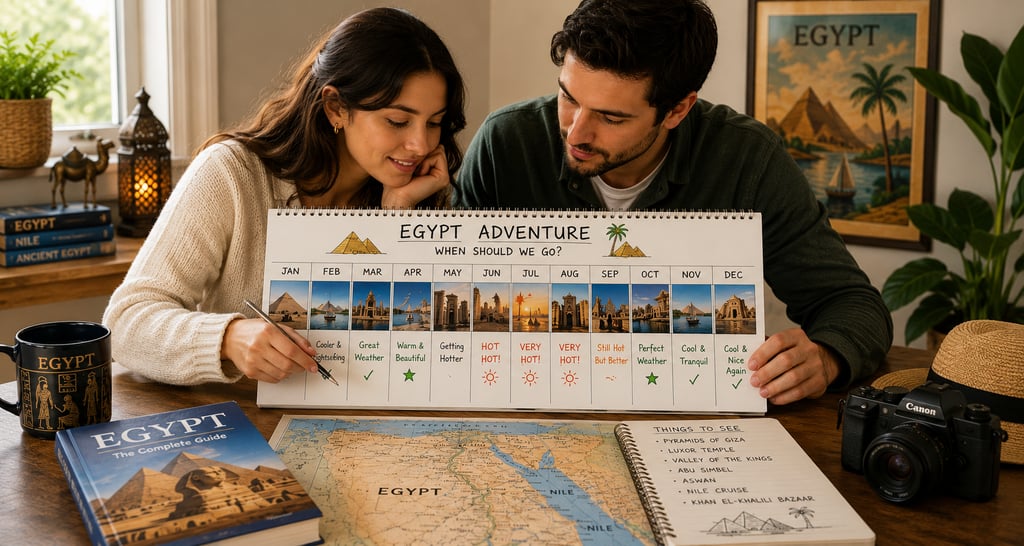
When planning a vacation in Egypt, selecting the right time to visit can significantly enhance the experience. The most favorable months to explore Egypt fall between October and April. During this period, the weather is milder, making it more comfortable for travelers to engage in sightseeing and outdoor activities. Tourists can experience pleasant temperatures and stunning views of the historical sites without the discomfort of oppressive heat.
In contrast, the summer months can present significant challenges for visitors. From May to September, temperatures, especially in Upper Egypt, can reach extreme levels, often peaking at around 110°F (43°C). This intense heat can deter many from enjoying Egypt's rich history and beautiful landscapes. Therefore, individuals planning their first vacation in Egypt should be mindful of these conditions and preferably schedule their trips during the cooler months.
Additionally, the peak tourist season generally coincides with winter months from December to February. During this time, popular attractions such as the Pyramids of Giza, Luxor, and Aswan can be crowded with visitors. Consequently, advanced planning and early bookings for accommodations and tours are advisable to secure the best options. However, for those seeking a quieter experience, the shoulder seasons of October to mid-November and March to April can also be excellent choices, as they offer enjoyable weather with fewer crowds.
Ultimately, selecting the best months to visit Egypt not only ensures a more pleasant journey but also allows travelers to fully immerse themselves in the culture, history, and breathtaking landscapes of this remarkable destination.
Currency Exchange and Tipping Culture
The official currency of Egypt is the Egyptian Pound (EGP), which is subdivided into 100 piasters. When planning your trip, it is essential to familiarize yourself with the current exchange rate, which can fluctuate. Generally, you can exchange your currency at banks, exchange bureaus, or even at airports, but keep in mind that the rates offered at airports are typically less favorable compared to local banks. For the best exchange rates, consider withdrawing cash from ATMs, which often provide competitive rates and the convenience of cash withdrawal in local currency. Additionally, always be aware of any transaction fees charged by your home bank.
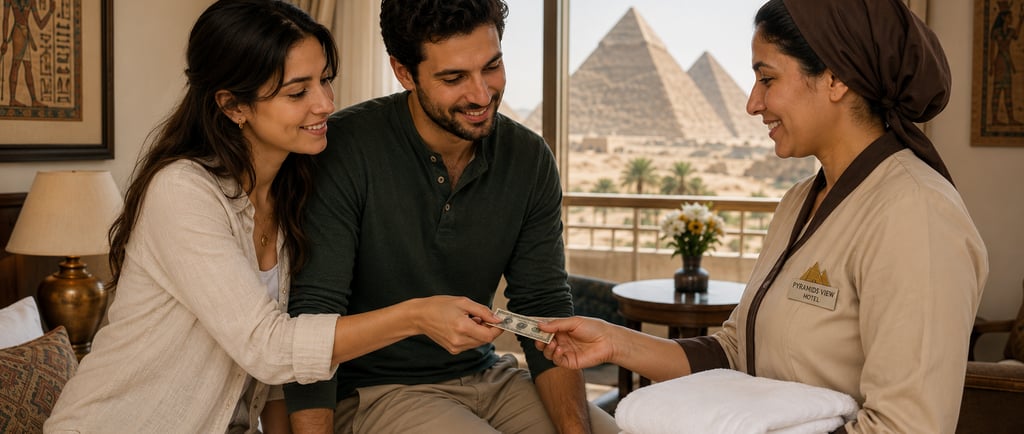
Regarding tipping culture in Egypt, known locally as 'baksheesh', it plays a significant role in the hospitality industry and everyday interactions. It is customary to tip service workers, and this can include hotel staff, tour guides, and restaurant servers. As a general guideline, tipping amounts can range from 10% to 15% of the total bill in restaurants. For hotel staff, leaving a small amount of cash, such as 10 EGP per day for housekeeping, is appreciated. When engaging the services of tour guides, a tip of 50 to 100 EGP or more, depending on the duration and quality of the service, is considered appropriate.
While credit cards are widely accepted in major hotels and tourist areas, it is advisable to carry cash for smaller establishments, street vendors, and local markets, where card payments might not be accepted. Furthermore, having small denominations of notes can be extremely useful for tipping and smaller purchases, ensuring a smooth experience during your travels in Egypt.
Packing Essentials for Egypt
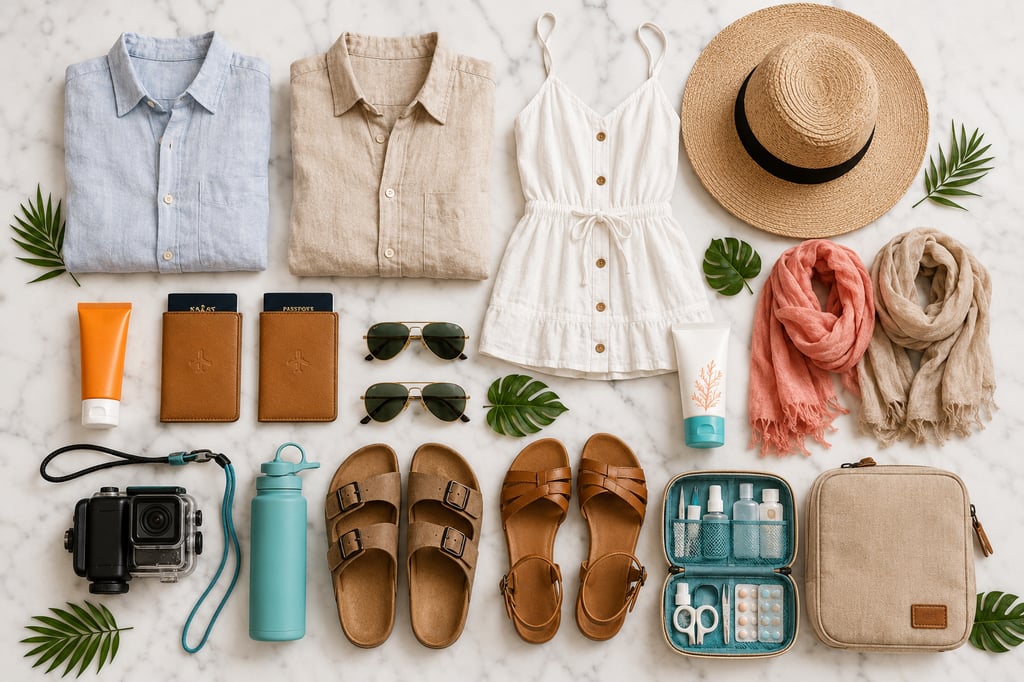
Packing for a vacation in Egypt necessitates careful consideration due to its unique climate and cultural expectations. The desert climate implies high temperatures during the day and cooler nights; thus, lightweight and breathable clothing are crucial. Materials such as cotton or linen are recommended as they allow for airflow and wick moisture away from the body, ensuring comfort while navigating bustling markets or exploring ancient ruins.
Visitors should also pack modest attire, especially when planning to visit religious sites such as mosques or churches. This often means long skirts or trousers and tops with sleeves, which not only respects local customs but also provides relief from the sun. A light scarf can serve dual purposes as a stylish accessory or a covering when needed.
For those looking to enjoy the beautiful waters of the Red Sea, reef-safe sunscreen is essential. This type of sunscreen minimizes damage to coral reefs, ensuring that the vibrant marine environment remains intact for future visitors. Furthermore, snorkeling gear can often be rented, but considering a personal mask and snorkel can enhance the experience.
Comfortable walking shoes are invaluable, particularly when exploring Egypt's many archaeological wonders, including the Pyramids of Giza and the temples of Luxor. A sturdy pair of sandals or sneakers will provide support and prevent injury during extensive walking tours.
Lastly, travelers will need a travel adapter for Egypt’s type C outlets to ensure that electronics can be charged without hiccup. This minor but essential item can make a significant difference in staying connected during the adventure.
Safety Tips and Common Scams
Traveling to Egypt can be an exhilarating experience, but it is essential to remain vigilant to ensure your safety. Firstly, familiarize yourself with your surroundings in crowded tourist areas; petty theft can occur in such locations. Keeping your valuables secure and close to your person can mitigate the risk of becoming a target.
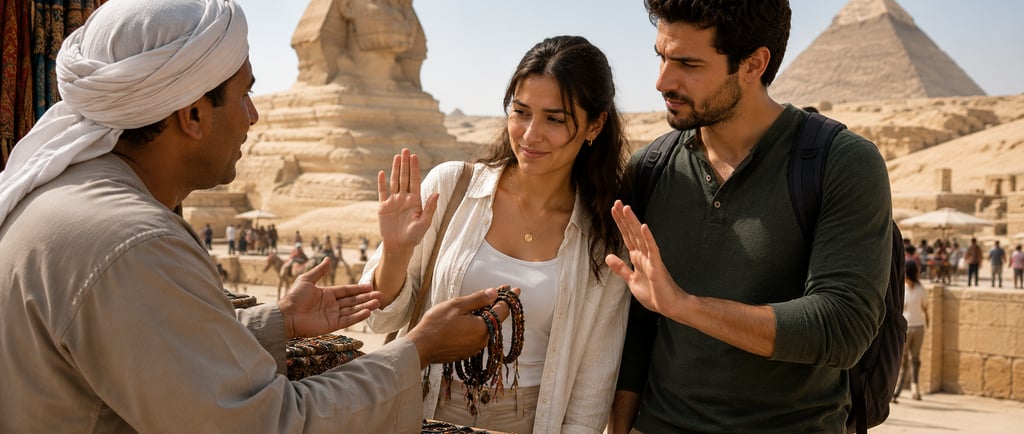
One common scam to be aware of is the "fake gift trick," particularly at the Pyramids of Giza. Tourists may be approached by individuals offering free gifts or tokens for supposed good luck. Often, these items are not free, and the solicitors may demand payment afterward. It is advisable to politely decline any offers that seem too good to be true.
Another typical situation involves unlicensed guides offering unofficial tours. While some guides can provide valuable insights, others may give incorrect information or demand exorbitant fees for their services. Always verify that your guide is officially registered and certified. Opting for established tour companies can also help you avoid these pitfalls.
When visiting perfume shops, exercise caution as some shop owners may employ aggressive sales tactics. Visitors might feel pressured to purchase products that they do not want. Take your time and don’t hesitate to leave if you feel uncomfortable; this will send a clear message that you are not interested in buying.
Lastly, remain aware of your surroundings, especially when using public transport or in crowded areas. Always trust your instincts; if a situation doesn’t feel right, it’s wise to remove yourself from it. By staying informed and cautious, you can enjoy a safe and memorable trip to Egypt.
Travel insurance is an essential safeguard for any traveler, providing peace of mind by covering unexpected events that can disrupt your trip. Whether it's a sudden illness, lost luggage, or trip cancellations due to unforeseen circumstances, travel insurance ensures that you are financially protected against a variety of mishaps. Additionally, it can offer assistance in navigating common scams that target tourists—like fraudsters posing as legitimate services or false hotel bookings—that can lead to significant financial losses. By investing in travel insurance, you're not only securing financial support during emergencies but also gaining access to resources and advice that can help you avoid scams, ensuring a safer, more enjoyable travel experience.
Transportation Options in Egypt
Traveling in Egypt offers a myriad of transportation options that cater to different preferences, budgets, and travel plans. Domestic flights are a popular choice for those looking to cover long distances quickly. EgyptAir operates numerous domestic routes, allowing travelers to connect cities like Cairo, Luxor, and Aswan efficiently. This option is especially advantageous for tourists who wish to maximize their time exploring the various historical sites across the country.
For those who prefer more personalized travel, private transfers provide a comfortable and convenient way to navigate through Egypt. Companies offer a range of vehicles, accommodating both solo travelers and larger groups. With private transfers, travelers can enjoy the flexibility to design their itineraries, allowing for spontaneous stops at picturesque locations or local markets along the way.
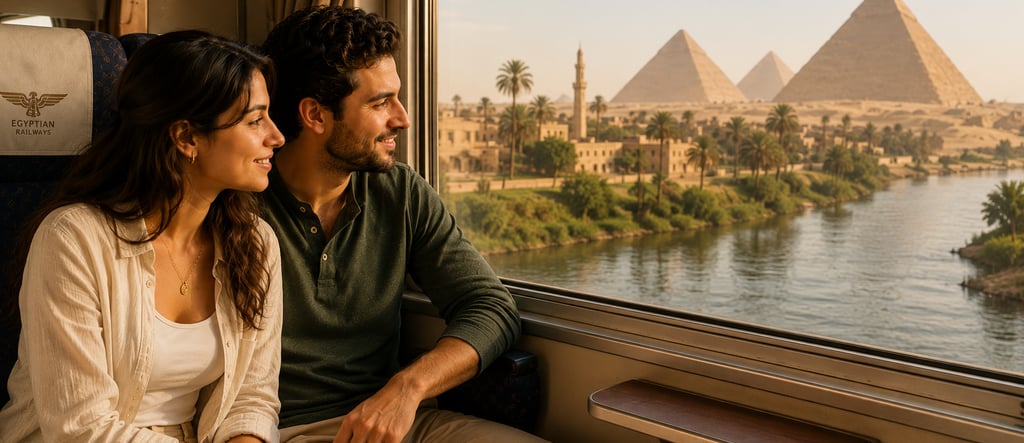
Another noteworthy transportation method is the train system. Egypt's rail network connects major cities and tourist destinations, such as Cairo, Alexandria, and Luxor. Traveling by train offers a unique opportunity to experience the scenic landscapes along the journey. For example, the sleeper trains that operate between Cairo and Aswan enable travelers to enjoy the vistas while saving on accommodation costs. Although the trains can vary in comfort and punctuality, it remains a favored option among those wanting to experience the local culture.
When planning a trip, tourists may consider joining guided tours, which often include transportation in their packages. These tours simplify the experience by providing knowledgeable guides and logistical arrangements, reducing the stress of navigating unfamiliar terrain. Conversely, travelers who enjoy a sense of adventure may choose to explore independently, though this requires careful planning and consideration of local transportation options.
Must-See Experiences and Culinary Highlights
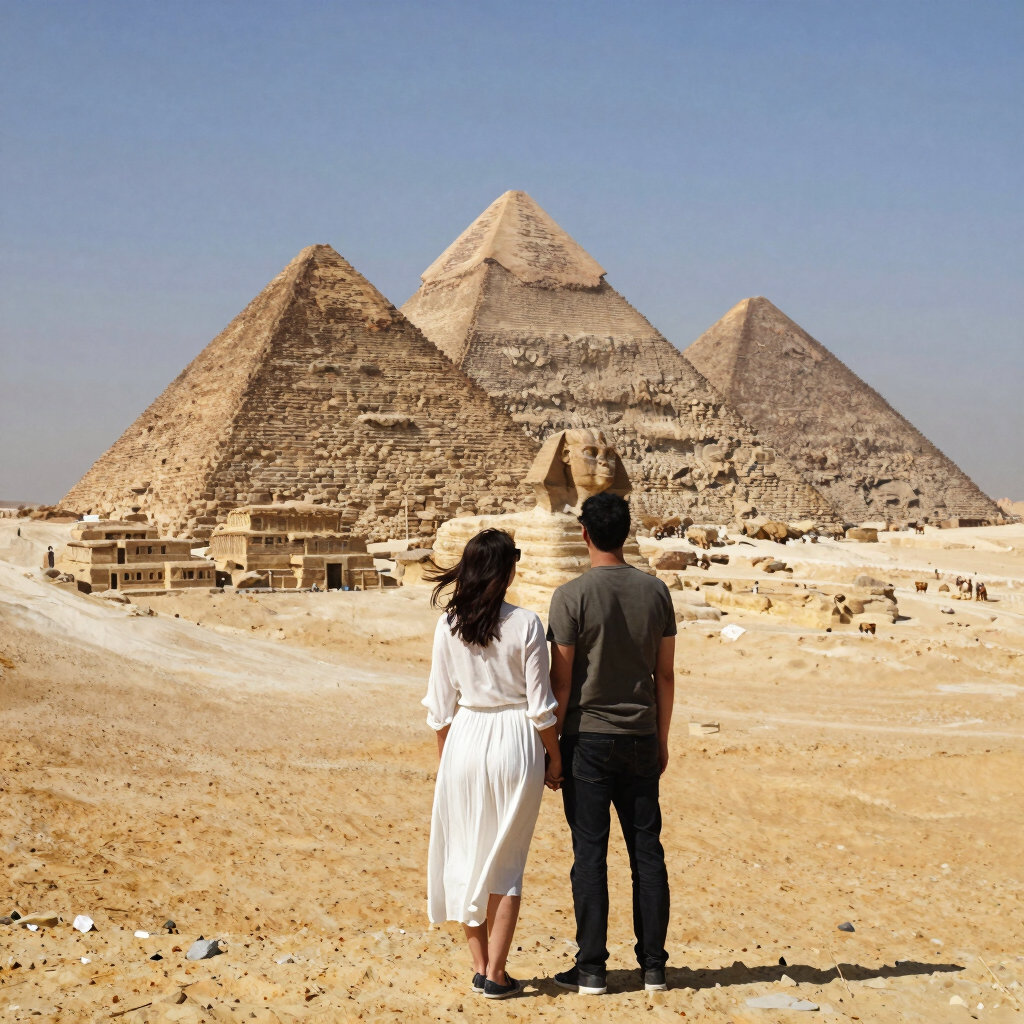
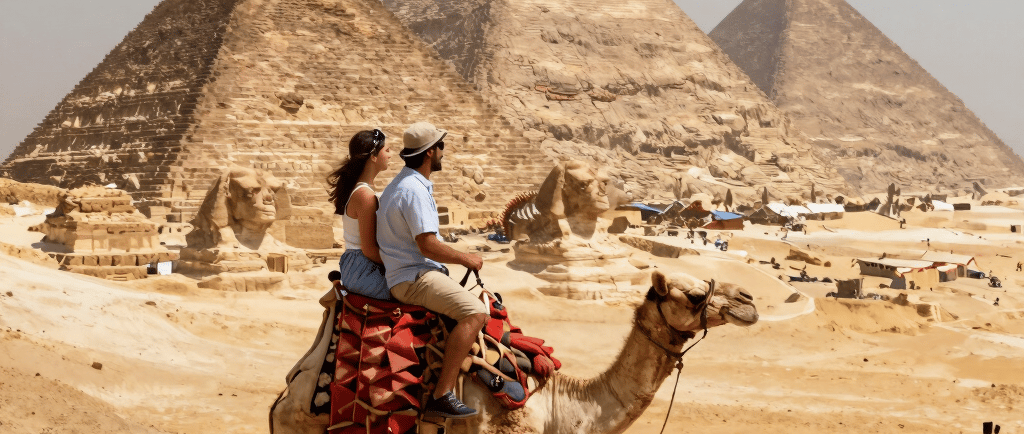
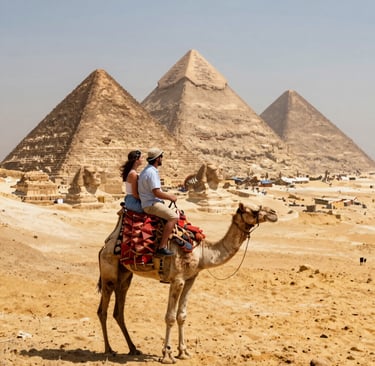
Egypt is renowned for its rich history and breathtaking attractions that captivate visitors from around the globe. Among the most iconic sites is the Pyramids of Giza, which stand as a testament to ancient engineering and architectural prowess. The proximity to the Great Sphinx adds to the allure, making it a must-visit landmark for anyone traveling to Egypt.
Another remarkable destination is the Valley of the Kings, the final resting place of numerous pharaohs. This archaeological site boasts lavish tombs, adorned with ancient hieroglyphics and artifacts. A visit here offers a glimpse into the grandeur of ancient Egyptian burial practices.
The Karnak Temple, located in Luxor, is another essential experience, featuring a vast complex of temples that reflect the religious significance of ancient Egypt. Furthermore, embarking on a cruise along the Nile River allows travelers to enjoy picturesque landscapes and serene waters while exploring the historical sites that line its banks.
For those seeking relaxation, the stunning beaches along the Red Sea should not be overlooked, where crystal-clear waters and vibrant coral reefs provide an opportunity for relaxation and adventure. Visitors can partake in snorkeling and diving activities, further enhancing their experience in this beautiful region.
In addition to the breathtaking sights, travelers are encouraged to indulge in Egypt's diverse culinary offerings. Local dishes such as koshari, a delicious mix of rice, lentils, and pasta, and ful medames, a traditional dish made from fava beans, are popular choices among locals and tourists alike. Shawarma, marinated meat wrapped in pita, is another culinary highlight that is sure to impress.
However, it is crucial to note that tap water is not safe for consumption throughout the country. As a precaution, visitors should opt for bottled water to stay hydrated during their adventures.
This post may contain affiliate links, which means I might earn a small commission (at no extra cost to you) if you decide to make a purchase through one of these links. I only recommend products I actually use or genuinely believe will bring value. Thanks for the support! Some of the pictures in this post are AI generated.