Private Pyramids Tour: Camel Ride Experience
Explore the mysteries of the pyramids with a private tour that includes an unforgettable camel ride. Discover the wonders of Egypt on this exclusive adventure designed for curious travelers.
4/6/20265 min read
Introduction to the Pyramids of Giza Tour
The Pyramids of Giza, standing majestically on the outskirts of Cairo, represent one of the most iconic symbols of ancient Egypt. A private tour of these extraordinary structures by Snefro Travel offers a unique opportunity to delve deep into their rich history and explore their architectural mastery in an exclusive setting. Unlike large group tours, a private experience allows for a personalized itinerary, catering to your specific interests and preferences, thus making your exploration of the pyramids truly unforgettable.
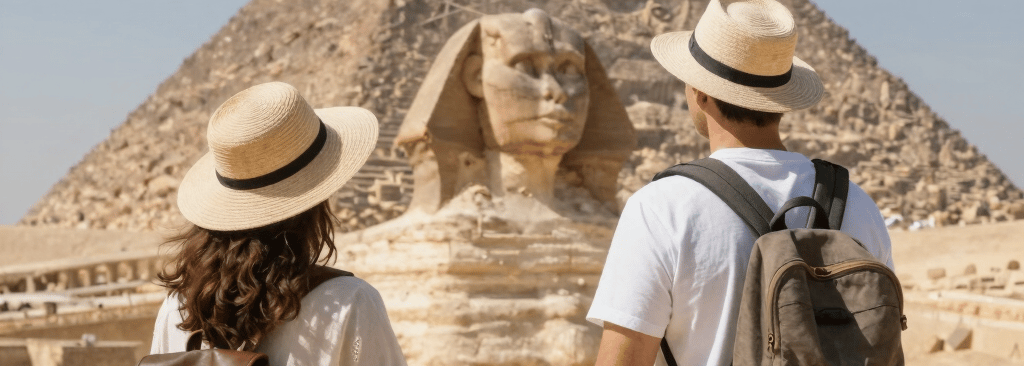
These monumental tombs, constructed during the Fourth Dynasty of the Old Kingdom, not only reflect the grandeur of ancient Egyptian civilization but also serve as a testament to the engineering prowess of their time. The Great Pyramid of Giza, built for Pharaoh Khufu, is the largest among the trio and is often considered one of the Seven Wonders of the Ancient World. Meanwhile, the nearby Great Sphinx, with its enigmatic expression and lion-like body, adds a layer of intrigue to the historical narrative of the site.
A private tour enhances the experience by providing access to exclusive insights through knowledgeable guides who can share captivating stories and pertinent facts about the history and significance of the pyramids and Sphinx. As you journey through this ancient landscape, your guide will illuminate the mysteries surrounding these incredible structures, from their purpose to the techniques used in their construction. The opportunity to ask questions and engage in discussions enriches the overall experience, making it not just a tour, but a deeper exploration of a pivotal era in human history.
Exploring the Pyramid Complex: Marvels of Ancient Engineering
The Pyramids of Giza, specifically the magnificent structures built for King Cheops (Khufu), King Chephren (Khafre), and King Mykerinos (Menkaure), stand as some of the most awe-inspiring achievements of ancient engineering. Constructed over 4,500 years ago, these pyramids are not only monumental tombs but also epitomes of architectural innovation that have intrigued historians and archaeologists for centuries.
The Great Pyramid of Giza, commissioned by King Cheops, is the largest of the trio, originally standing at an impressive height of 146.6 meters. When built, it was clad in casing stones made of Tura limestone, giving it a gleaming exterior that reflected the sun, symbolizing the sun god Ra. An estimated 2.3 million blocks were used in its construction, and their precise alignment with the cardinal points showcases the advanced understanding of geometry possessed by ancient Egyptians.
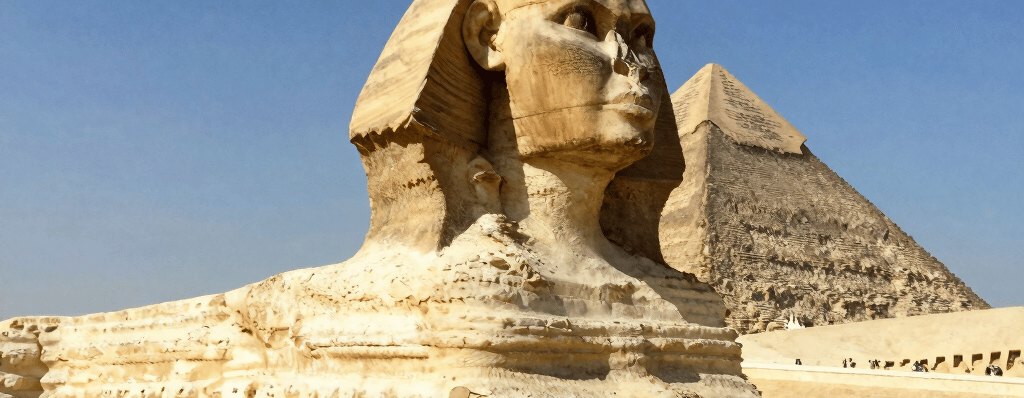
Adjacent to this, the Pyramid of Chephren, standing slightly shorter at 136.4 meters, is distinct for its still-visible casing stones near the apex, which provide a glimpse into how these structures may have originally appeared. This pyramid was part of a larger complex that included the Great Sphinx, a symbol of strength and wisdom, believed to guard the tomb of Chephren. The precision in the construction methods and the intricate hieroglyphic inscriptions found within highlight the connection between spirituality and architecture during this era.
Lastly, the Pyramid of Mykerinos, although the smallest, holds its own significance, representing the link between the social and political evolution of ancient Egypt. Its construction utilized granite blocks, showcasing the variety of materials employed in these grand edifices. The precise technique of layering these stones, combined with their monumental scale, reflects the remarkable capabilities and aspirations of ancient Egyptian civilization.
In consideration of these architectural feats, the Pyramids of Giza not only illustrate the engineering prowess of the ancients but also serve as a testament to their cultural and spiritual beliefs. Each pyramid reveals a narrative of the kings who commissioned them and their desire for immortality, making them an irresistible subject of exploration for historians and tourists alike.
The Great Sphinx: Secrets of the Guardian of the Pyramids
The Great Sphinx of Giza, an emblematic structure that stands sentinel at the pyramids, embodies the spirit of ancient Egyptian civilization. Carved from limestone, this captivating monument features a lion's body with a human head, and it serves as a profound symbol of ancient power and wisdom. The Sphinx is believed to represent the pharaoh Khafre, serving as a guardian not only of the pyramids behind it but also of the socio-political landscape of its time.
Historically, the Great Sphinx has piqued the curiosity of scholars and visitors alike. Its construction is estimated to have occurred around 2500 BC, making it one of the oldest monoliths in history. Beyond its size, which stretches an impressive 73 meters in length, the Sphinx is shrouded in legends and myths that have developed over millennia. Many ancient texts refer to it as "Horemakhet," which underscores its significance in Egyptian mythology as a protector.
Exploring the Sphinx during a private tour offers a unique opportunity for deeper engagement. A knowledgeable guide will not only recount the historical importance of this iconic monument but will also share fascinating tales that breathe life into its enigmatic presence. From the mystery of its missing nose, often attributed to natural weathering or, according to some stories, deliberate vandalism, to theories concerning hidden chambers beneath its body, each narrative adds layers to its historical significance. The tales interweave the spiritual beliefs of ancient Egyptians, their funerary practices, and the monumental architecture that illustrates their enduring legacy. Visitors leave with a richer understanding of the Sphinx's role as not just a monument, but a witness to the passage of time, safeguarding the stories of a once-great civilization.
Camel Ride Adventure: A Unique Perspective of the Pyramids
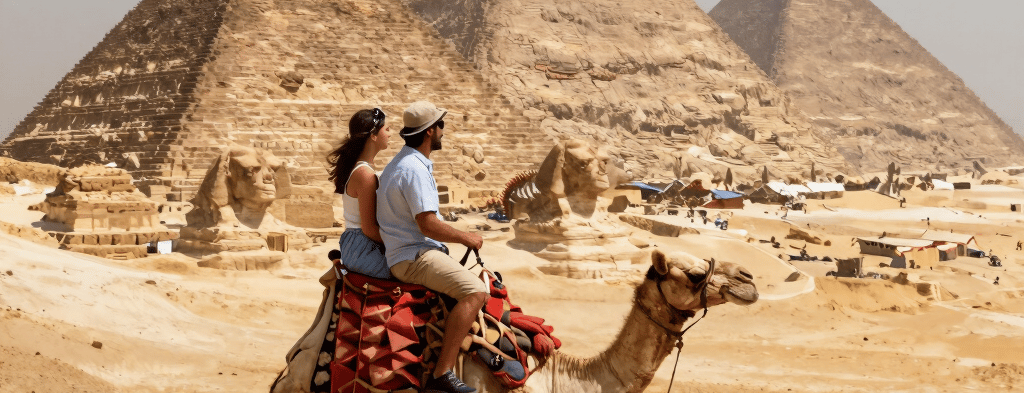
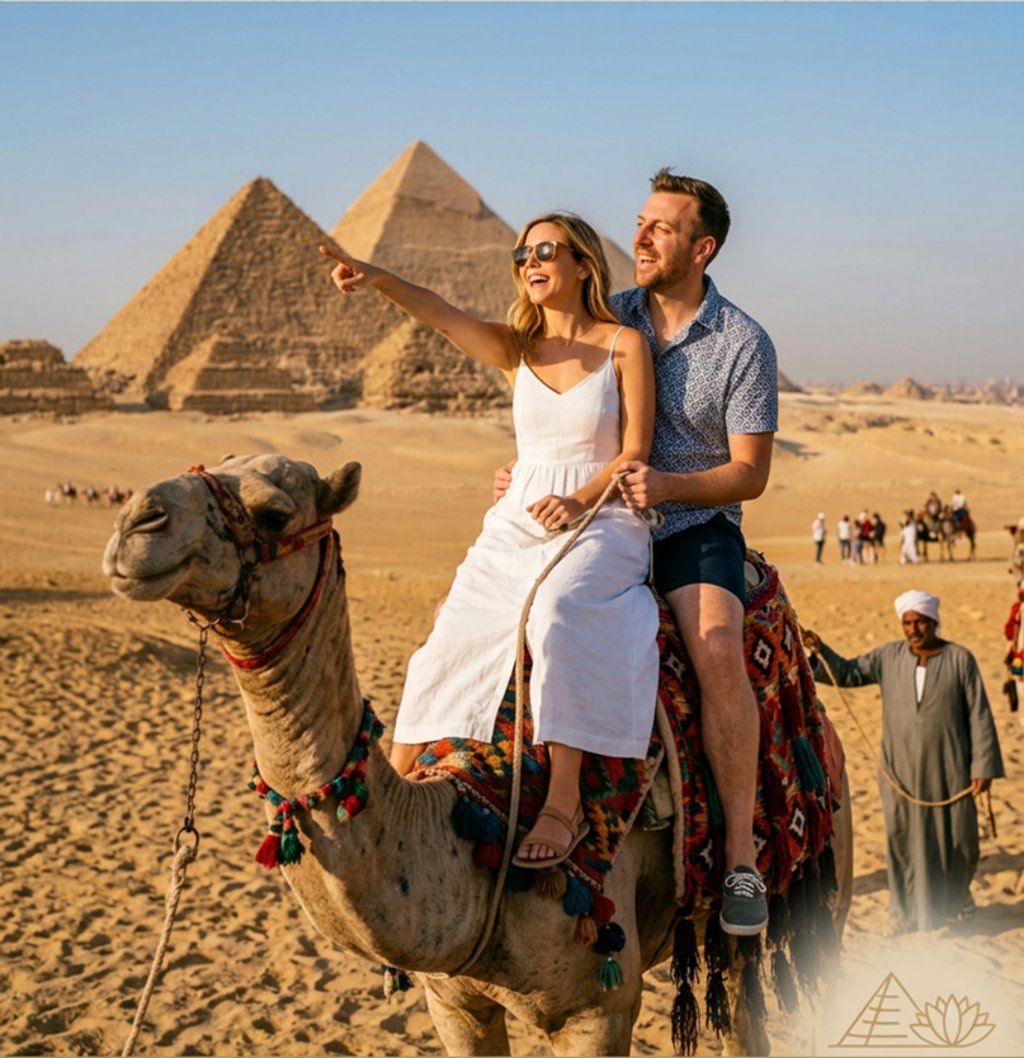
One of the most exhilarating ways to experience the grandeur of the pyramids is through a camel ride across the spectacular desert landscape. This adventure not only offers a unique vantage point from which to admire these ancient wonders but also immerses visitors in the rich traditions of Egyptian culture. The moment you mount the camel, you are transported back in time, echoing the same paths that travelers have taken for centuries.
The ambiance of the desert adds to the thrill of the ride. Picture yourself gently swaying with the camel as it walks, the soft sand beneath its feet, and the towering pyramids rising majestically against the horizon. With each step, the excitement builds, and the panoramic views unfold before your eyes - a mesmerizing sight that enhances the overall tour experience.
A camel ride is not just an enjoyable activity; it is a cherished facet of Egyptian heritage. These ships of the desert have been a vital part of life in Egypt, symbolizing strength and endurance. As you navigate the vast stretches of sand, you develop a deeper connection to the landscape and its storied past, all while fostering an appreciation for the local customs that define this historic region.
Involving yourself in this camel ride adventure enables you to create lasting memories. It invites a sense of tranquility as you absorb the scenery and feel the gentle sway of your mount. This opportunity to traverse the same paths as ancient traders or explorers heightens your awareness of the significance of the pyramids. Engaging with the landscape from this perspective not only enriches your understanding of the cultural context but also allows you to enjoy the stunning beauty surrounding these monumental structures.
This post may contain affiliate links, which means I might earn a small commission (at no extra cost to you) if you decide to make a purchase through one of these links. I only recommend products I actually use or genuinely believe will bring value. Thanks for the support! The pictures in this post are AI generated.